
Value proposition
Why this customer should care about your offer, said in their terms: their problem, the change and what the problem costs.
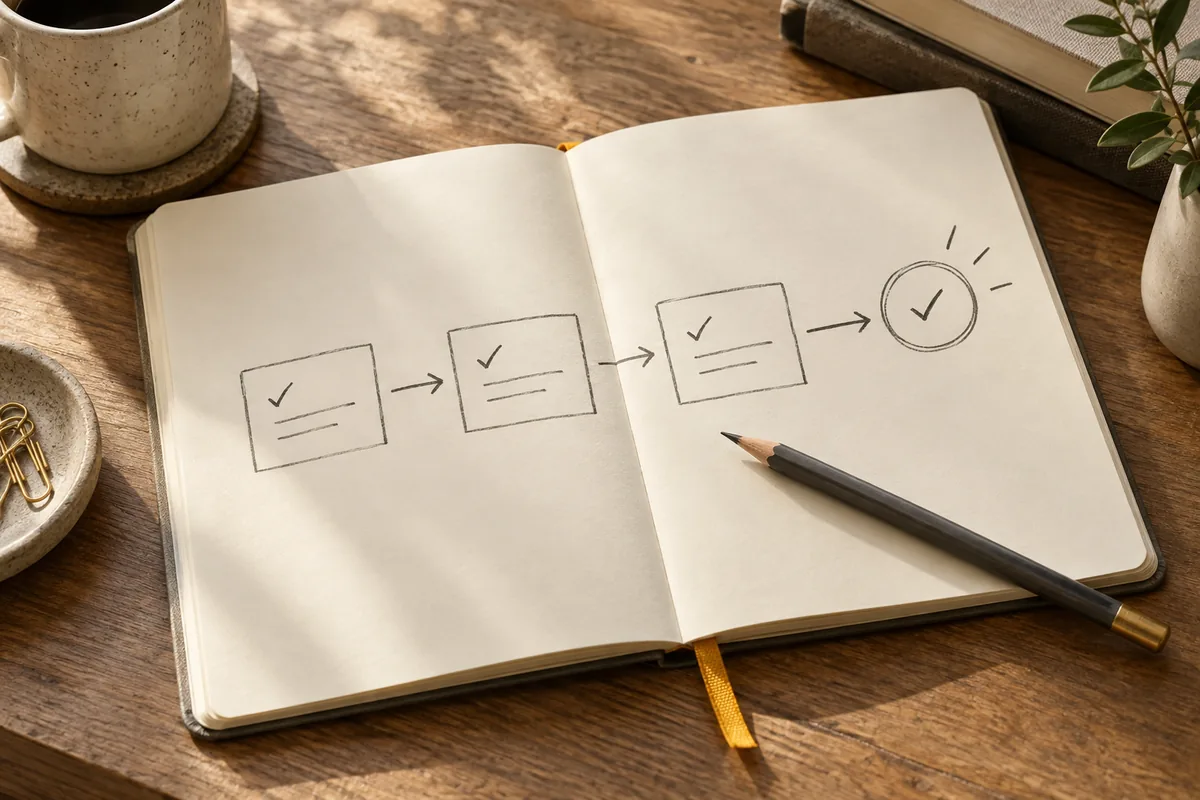
In plain words
A value proposition is a short answer to the customer's silent question: why should I buy this, from you, now? It is built from what you heard about their pain. A good one fits in two or three sentences and uses the customer's own words.
There is a general value proposition on your website and in your ads. Inside a deal, the seller adapts it to one customer. In practice it is the opening paragraph of the proposal and the summary at the end of a conversation. Keep it in the deal card next to the pain, so anyone can check that one answers the other.
Worked example
For example: "Today your inquiries wait two days for an answer, and some buy elsewhere. After setup, every inquiry gets a reply within an hour."
How to use it
Before a proposal goes out, the head of sales reads its first paragraph next to the pain field. If the two do not match, the proposal goes back to the seller. A proposal that opens with your company history, not their problem, usually gets no reply.
The value proposition changes how you defend the price. When the customer sees what the problem costs them, the price is compared with that cost, not with a competitor's list. Without that link, the conversation slides into discounts.
It sits between three neighboring terms. The pain is its raw material, and the discovery call is where you collect it. The proposal is where you write it down. Price anchoring works only when the value proposition has already shown what the problem costs.
Common mistakes
- Listing features instead of outcomes. "Integrated reports" means nothing to the customer. Say what changes for them: "you see unpaid deals every Monday without asking anyone."
- Using one text for every customer. A generic value proposition fits nobody in particular. Change at least the first sentence to name this customer's problem.
- Promising results you cannot control. Phrases like "double your sales" sound like hype and invite doubt. Describe the change you deliver, and let the customer estimate its worth.
- Writing it in your words, not theirs. Industry terms make the customer translate. Reuse the phrases they used on the discovery call.
NEXT STEP · TOOL
By Friday, each seller takes their three most recent proposals and rewrites the first paragraph. One sentence on the customer's problem in their words, one on what changes, one on what the problem costs them now. The head of sales reads all of them on Monday, side by side with the pain fields. Keep the best version as a team example for the next proposals.
Six areas of the job on one map, with a self-assessment and a plan for your first month.